 By admin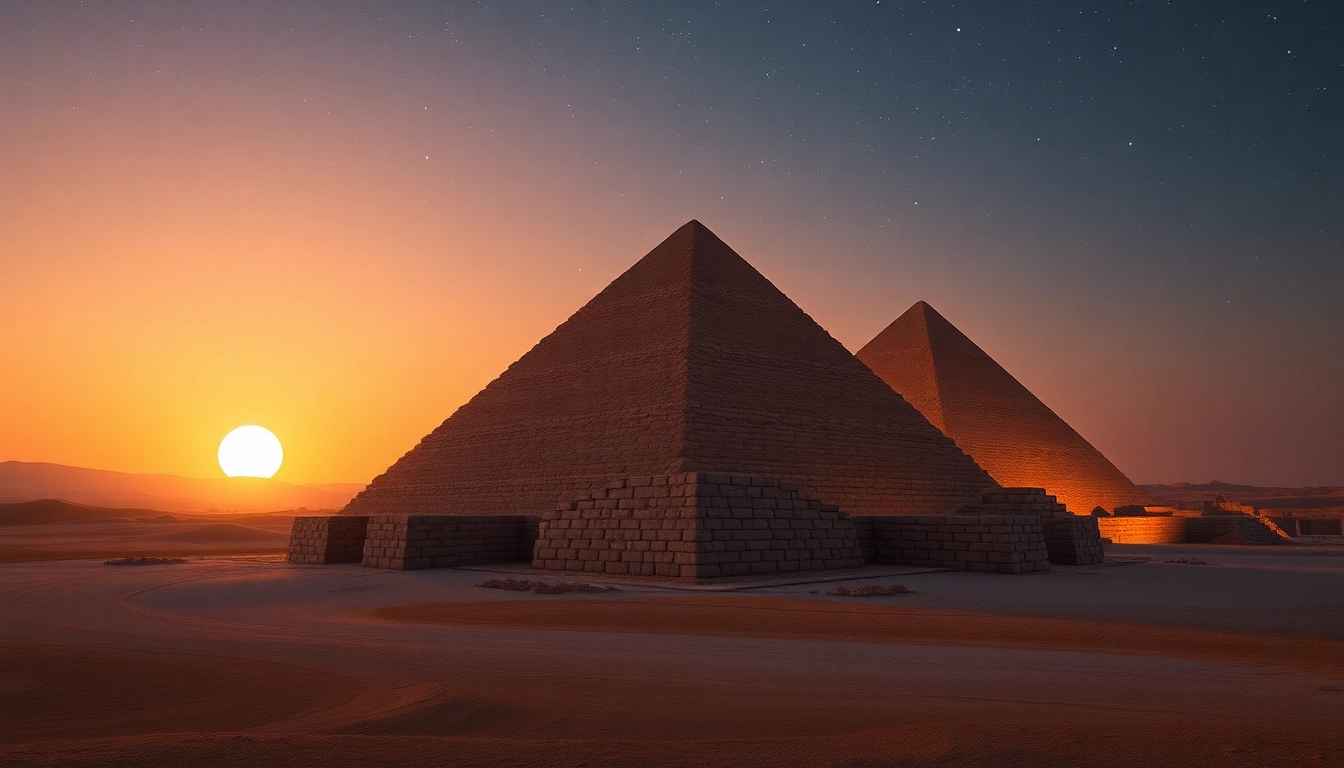
Introduction to the Egyptian Pyramids
The Egyptian pyramids are some of the most iconic and enduring symbols of ancient civilization. These monumental structures, predominantly located on the Giza Plateau, not only house the graves of pharaohs but also embody the technological prowess and spiritual convictions of the ancient Egyptians. With their grandeur and mystery, they continue to captivate the imagination of people worldwide. For a deeper exploration of this fascinating subject, visit https://piraminds.com/.
History of Egyptian Pyramids
The history of Egyptian pyramids dates back to the early dynastic period around 2686 BCE when the first step pyramid, constructed under Pharaoh Djoser, marked a significant technological leap in building methods. Over the centuries, these structures evolved from simple rectangular mastabas to the monumental structures we recognize today. Notably, the era from the Third to the Sixth Dynasties saw the height of pyramid construction, culminating in the Great Pyramids of Giza, built for Pharaohs Khufu, Khafre, and Menkaure. These dynastic ventures not only reflected political power but also complex social systems involving thousands of laborers.
Purpose of the Pyramids
The primary purpose of the pyramids was to serve as tombs for pharaohs. Ancient Egyptians believed in an afterlife, with the pyramid serving as a resurrection machine through which the pharaoh could ascend to the heavens. Additionally, these structures were designed to protect the contents within—elaborately crafted treasures, mummified bodies, and inscriptions intended to assist the deceased in the afterlife. The alignment of pyramids with celestial bodies demonstrates the ancient Egyptians’ intricate understanding of astronomy and reinforces their religious beliefs.
Construction Techniques
The construction of the pyramids remains one of history’s enduring mysteries. Though no definitive blueprint exists, archaeological evidence suggests that these monumental edifices required advanced knowledge of engineering and organization. Workers likely utilized a combination of ramps to move massive limestone and granite blocks into place while coordinating a labor force that could reach thousands on-site. Recent theories propose that water may have been poured to reduce friction on sand, making the transportation of stone easier.
The Great Pyramids of Giza
Overview of the Great Pyramid
The Great Pyramid of Giza, the largest of the three pyramids, was commissioned by Pharaoh Khufu around 2580 BCE. Standing originally at approximately 146.6 meters, it was the tallest man-made structure for over 3,800 years. Constructed with an estimated 2.3 million blocks of stone, each weighing about 2.5 tons, this grand monument illustrates not only the creativity and resourcefulness of ancient Egyptian architects but also their sophisticated geometric knowledge and alignment with the cardinal points.
Cultural Significance of Giza Pyramids
The Giza Pyramids have extensive cultural significance, symbolizing the might of the pharaohs and their divine connection to the gods. They are often viewed as a bridge between the earthly realm and the spiritual. Beyond their religious implications, these structures were key sites for worship and pilgrimage, drawing admirers from various dynasties and even later civilizations, which viewed them as symbols of human achievement and endurance.
Recent Discoveries in Giza
In recent years, technological advancements, such as infrared thermography and 3D scanning, have allowed archaeologists to discover previously hidden chambers within the Giza pyramids. Such discoveries may provide insight into construction techniques and offer a glimpse into the complex rituals associated with royal burials. Excavations continue to reveal artifacts and structures associated with the pyramids, suggesting a bustling environment around them, including workers’ quarters and temples.
Pyramid Structures Beyond Giza
Other Notable Egyptian Pyramids
While the Giza pyramids are certainly the most famous, several other notable pyramids exist throughout Egypt. The Step Pyramid of Djoser, located at Saqqara, is one of the earliest monumental stone buildings and represents an evolutionary leap in pyramid construction. The Bent Pyramid and the Red Pyramid at Dahshur, built during the Fourth Dynasty, also showcase early attempts at creating true pyramids and stand as testaments to the architectural experimentation of the period.
Nubian Pyramids Overview
Beyond Egypt lies another culturally rich site—the Nubian pyramids, primarily located in modern-day Sudan. Unlike their Egyptian counterparts, which primarily served as royal tombs, many Nubian pyramids served for both royal and elite burials. These pyramids reflect unique architectural styles and are characterized by steeper angles and smaller sizes. The Kingdom of Kush, known for its powerful rulers and rich culture, constructed these pyramids, exhibiting a blend of Egyptian and indigenous architectural styles.
Comparative Analysis of Pyramid Types
Examining different pyramid types allows us to appreciate the varied approaches taken by ancient civilizations. Egyptian pyramids, primarily used for burial, emphasized religious significance and the afterlife. In contrast, Mesoamerican pyramids, such as those at Teotihuacan, served as platforms for temples and religious ceremonies. This comparison highlights the different cultural values embodied in their respective architectural styles, as well as the geographic adaptations that shaped their designs.
Modern Perspectives on the Pyramids
Pyramids in Popular Culture
The fascination with the Egyptian pyramids extends far beyond historical interest, permeating popular culture through films, literature, and art. This cultural representation has often played on their mystery and grandeur, igniting intrigue about ancient Egypt and its secrets. Movies like “The Mummy” and various documentaries reflect the public’s enduring curiosity about these monumental structures, blending fact with fiction to captivate audiences.
Tourism and its Impact
Tourism surrounding the pyramids significantly impacts Egypt’s economy. Millions of tourists visit the Giza Plateau each year, drawn by the allure of ancient history and stunning architecture. However, mass tourism poses challenges, such as environmental degradation and the preservation of these irreplaceable monuments. Balancing tourism with conservation efforts has become essential for maintaining the integrity of the pyramids.
Preservation Efforts
Recognizing the cultural and historical significance of the pyramids, both local and international organizations have initiated preservation efforts. Restoration projects aim to stabilize and protect these ancient structures from damage caused by natural elements and human activities. Innovations in technology are playing a crucial role, facilitating more effective monitoring and conservation methods that protect the pyramids for future generations.
FAQs About the Egyptian Pyramids
What are the main functions of pyramids?
The main function of the Egyptian pyramids was to serve as tombs for pharaohs and elite individuals, facilitating their journey to the afterlife. They were also symbols of power and divine connection.
How were the pyramids built?
Construction involved thousands of skilled laborers using advanced techniques such as ramps for stone transport and organization of labor to lift massive blocks into place.
Who were the pharaohs associated with the pyramids?
Pharaohs such as Khufu, Khafre, and Menkaure are prominently associated with the Giza Pyramids, embodying the divine authority and religious symbolism of their reigns.
When were the pyramids built?
The pyramids were primarily constructed during the Old and Middle Kingdom periods, between approximately 2700 BCE to 1700 BCE, showcasing evolving architectural techniques.
What recent discoveries have been made?
Recent archaeological discoveries include hidden chambers and artifacts, offering insights into construction techniques and funerary practices. Modern technology continues to reveal new findings.