Understanding Mayoral Campaign Marketing Trends
In the evolution of political campaigning, understanding the nuances of mayoral campaign marketing is crucial for those seeking to win local elections. Whether you're a seasoned candidate or a first-time contender, the landscape is constantly shifting, with emerging technologies and changing voter preferences. As we approach the elections of 2026, it's essential to explore how data and engagement strategies can be effectively integrated to capture voter attention and support.
The Role of Data in Effective Campaign Strategies
Data is the foundation of any successful political campaign. For candidates, it serves as a roadmap, guiding decisions about messaging, outreach, and resource allocation. By analyzing demographics, past voting behaviors, and current issues, campaigns can develop targeted strategies that resonate with constituents. The data you gather can range from basic voter information to sophisticated analytics that predict voting patterns.
When exploring options, mayoral campaign marketing provides comprehensive insights into voter profiles and market conditions, allowing campaigns to tailor their approaches effectively.
Current Trends in Voter Engagement for 2026
As we look to the 2026 elections, several trends in voter engagement are becoming apparent:
- Increased Use of Digital Platforms: Social media and online forums have become critical spaces for candidates to connect with voters. Creative content that encourages interaction can significantly enhance engagement.
- Emphasis on Personalized Communication: Voters respond more positively to campaigns that address their specific needs and concerns. Tailored messaging that speaks directly to different demographic segments is key.
- Mobile Optimization: With the majority of voters accessing information via smartphones, campaigns must ensure their online presence is mobile-friendly.
Analyzing Voter Demographics and Preferences
Understanding who your voters are is essential. This involves a deep dive into voter demographics, including age, income, education level, and local issues that resonate within the community. Candidates can use surveys and focus groups to gather qualitative insights, but demographic data from reliable sources is indispensable for quantitative analysis.
By segmenting the electorate based on these factors, campaigns can prioritize issues that matter most to each group. This targeted approach leads to more successful outreach and higher voter turnout.
Building a Campaign Infrastructure
Key Components of a Successful Campaign
A successful mayoral campaign requires a well-structured infrastructure that supports strategic planning and execution. Key components include:
- A Dedicated Team: Assemble a team with diverse skills, including campaign management, communications, and fundraising.
- Fundraising Strategies: Develop a robust fundraising plan to ensure adequate resources for advertising, event planning, and outreach initiatives.
- Messaging Framework: Create a clear and consistent message that reflects the campaign's values and objectives. This message should be disseminated across all platforms to maintain brand consistency.
Utilizing Voter Data for Targeted Outreach
With access to comprehensive voter files, candidates can leverage data to segment their outreach efforts effectively. For example, you can focus on first-time voters, young families, or specific geographic areas within the district. Utilizing advanced targeting allows campaigns to allocate resources more efficiently and increase engagement rates.
Customizing outreach through direct mail, phone banking, and door-to-door canvassing can significantly elevate the chances of connecting with potential supporters.
Creating a Cohesive Brand Message Across Channels
In today's multi-channel environment, it's vital to maintain a cohesive brand image that resonates with voters across various platforms. Whether through social media, campaign websites, or traditional media, every touchpoint should reflect the same core messages and values. Consistency strengthens brand recognition and enhances voter trust.
Implementing Digital Marketing Techniques
Leveraging Social Media for Mayoral Campaigns
Social media has reshaped how candidates engage with constituents. Platforms like Facebook, Twitter, and Instagram allow for real-time communication and feedback. Successful campaigns utilize social media not just for broadcasting messages but also for engaging in conversations with voters, responding to questions, and addressing concerns.
Candidates should develop a content calendar that includes regular updates, interactive polls, and event promotions, ensuring they remain visible and relevant in the digital landscape.
Effective Use of SEO for Campaign Websites
Your campaign website is a crucial tool for informing voters and rallying support. Optimizing your site for search engines can significantly enhance visibility. This involves using relevant keywords, creating engaging content, and ensuring a mobile-friendly design.
Additionally, incorporating local SEO strategies can help attract voters in specific geographic areas, making it easier for them to find information about your campaign and initiatives.
Text and Digital Advertising Strategies
Text messaging and digital ads have proved to be effective strategies for reaching potential voters, particularly younger audiences. Platforms like Google Ads and Facebook Ads allow campaigns to create targeted advertisements based on user demographics and interests. Text messaging can be employed for reminders about polling dates or events, ensuring continual engagement with supporters.
Investing in a mix of paid and organic advertising will maximize reach and effectiveness, particularly as election day approaches.
Community Engagement and Grassroots Involvement
Strategies for Mobilizing Local Supporters
Grassroots mobilization is essential for building a strong support base. Strategies may include organizing community forums, town hall meetings, and volunteer recruitment drives. These events not only serve to engage voters but also generate excitement and momentum for the campaign.
Empowering local supporters to act as campaign ambassadors can exponentially increase outreach efforts, making them more personal and impactful.
Creating Impactful Events and Meet-and-Greets
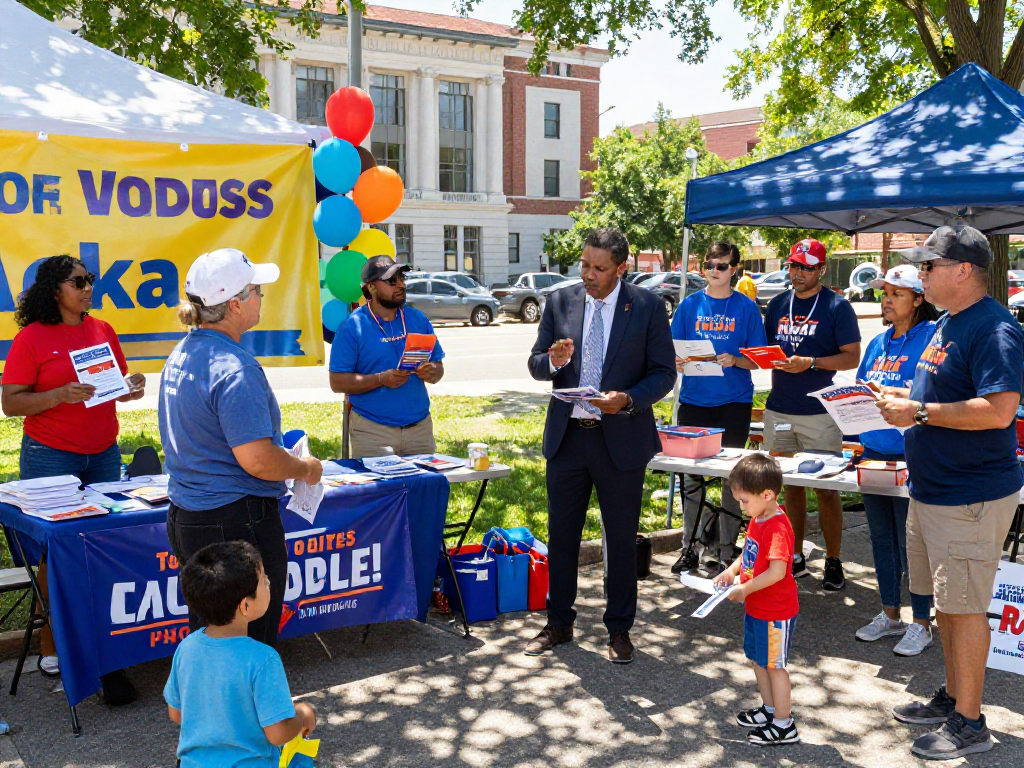
Hosting events allows candidates to connect with voters face-to-face, fostering a sense of community and trust. In-person interactions can be crafted around local issues, providing voters with direct access to the candidate and their platform. These gatherings can vary from formal events to casual meet-and-greets, depending on the campaign's objectives.
Fostering Long-Term Relationships with Voters
Building long-term relationships with constituents goes beyond the election. Campaigns should aim to engage with voters even after the ballots are cast. This can be achieved through regular updates, newsletters, and continued presence in the community. Maintaining these relationships can pave the way for future campaigns and initiatives.
Measuring Success and Adapting Strategies
Key Performance Indicators for Campaign Effectiveness
To measure the effectiveness of your campaign, it’s essential to define key performance indicators (KPIs). Metrics may include voter engagement levels, social media interactions, fundraising progress, and polling numbers. Regular assessments of these KPIs will allow campaigns to pivot and adjust strategies as necessary, ensuring they remain on track to meet their goals.
Analyzing Feedback and Adjusting Approaches
Engagement doesn’t end with elections; analyzing feedback from voters and supporters can provide invaluable insights for future campaigns. Conducting surveys or informal feedback sessions can help identify areas for improvement and successful strategies worth repeating.
Future-Proofing Your Campaign for Upcoming Elections
As the political landscape evolves, so too must campaign strategies. Staying attuned to emerging trends, technologies, and voter concerns is essential for long-term success. This proactive approach allows campaigns to remain relevant and adaptable, fostering a deeper connection with the community.
What are the most effective strategies for mayoral campaign marketing?
Effective strategies for mayoral campaign marketing include leveraging data for targeted outreach, utilizing social media for engagement, and ensuring a cohesive brand message across all platforms. Additionally, fostering grassroots support through community engagement and personal interactions can greatly enhance voter trust and loyalty.
How can voter data impact campaign success?
Voter data is pivotal for guiding campaign decisions. It enables candidates to understand the electorate better, tailor their messaging, and prioritize outreach efforts. Access to current and verified voter data allows for effective targeting, ultimately increasing the likelihood of campaign success.
What digital marketing channels work best for local elections?
For local elections, digital marketing channels such as social media, search engine optimization (SEO) for campaign websites, text messaging, and digital advertising are highly effective. These channels offer cost-effective ways to reach and engage with voters, particularly young and tech-savvy constituents.
How do you engage and mobilize community supporters effectively?
Engaging and mobilizing community supporters involves building relationships through in-person events, reaching out through social media, and utilizing personalized communication strategies. Empowering local supporters to advocate for the campaign can also enhance grassroots efforts.
What trends should campaigns focus on for 2026?
Campaigns should focus on trends such as increased use of digital platforms for outreach, personalized voter engagement strategies, and a strong emphasis on mobile optimization. Understanding demographic shifts and adapting to changes in voter preferences will also be crucial for success in the upcoming elections.