admin
admin 
The Importance of Whole House Repiping
Whole house repiping is a critical service that many homeowners overlook until it’s too late. Aging pipes can lead to significant problems, including leaks, low water pressure, and even damage to your home’s structure. Understanding the importance of this service can save you from costly repairs in the future. With whole house repiping services St Petersburg FL, your plumbing issues can be effectively resolved, restoring the integrity of your home’s plumbing system.
Why Repiping is Necessary
Over time, the pipes in your home can deteriorate due to various factors such as corrosion, mineral build-up, and age. Older homes often have plumbing made from materials that are no longer up to code, which can increase the risk of plumbing failures. In cases like these, repiping becomes necessary to ensure a reliable supply of clean water and to minimize water wastage. Moreover, older pipes can contaminate your water supply, posing a health risk to your family.
Signs Your House Needs Repiping
Identifying the signs that indicate your home needs repiping is crucial. Look out for:
- Frequent leaks: Repeated water leaks are a strong indicator of deteriorating pipes.
- Low water pressure: If your faucets or showerheads are struggling to produce water, it could signal blocked or damaged pipes.
- Discolored water: Rusty or brown water often suggests corrosion within your pipes.
- Unusual noises: Sounds like banging or rattling can signify loose pipes or water hammer issues.
- Mold or water stains: These could indicate hidden leaks behind walls or under floors.
Benefits of Professional Repiping Services
Investing in professional repiping services offers numerous benefits:
- Improved Water Quality: New piping materials ensure clean, safe drinking water.
- Increased Home Value: A newly repiped home is more attractive to potential buyers.
- Reduced Water Bills: By minimizing leaks, you lower your overall consumption and costs.
- Peace of Mind: Knowing your plumbing system is reliable offers unmatched comfort.
Understanding the Repiping Process
Planning and Assessment
The initial step in the repiping process is a thorough assessment of your existing plumbing system. A qualified plumber will examine your pipes, check for leaks, and assess water pressure. This evaluation helps determine whether partial repiping or a complete overhaul is necessary. Planning involves choosing the right materials, scheduling the work to minimize disruption, and ensuring that all necessary permits are obtained.
Materials Used in Repiping
In repiping, the choice of materials plays a vital role in the outcome of the project:
- Copper: Durable and resistant to corrosion, copper pipes have been the industry standard for decades.
- PEX: Cross-linked polyethylene pipes are lightweight, flexible, and resistant to scale and chlorine. PEX is quickly becoming a popular choice due to ease of installation and cost-effectiveness.
- CPVC: Chlorinated polyvinyl chloride pipes are often used for hot and cold water. They are affordable and resistant to corrosive elements.
Installation Techniques
Repiping can vary significantly based on the chosen materials and the design of your home:
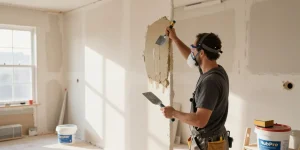
- Drywall Removal: In many cases, walls need to be opened up to access the plumbing behind them.
- Pipe Replacement: Old pipes are removed and replaced with new materials, ensuring the system is updated. The installation technique differs based on whether copper, PEX, or CPVC is used.
- Reconnection: Fixtures such as sinks, toilets, and appliances will be reconnected once the new pipes are in place.
Costs Involved in Whole House Repiping
Factors Affecting Repiping Costs
Several factors influence the overall cost of repiping your home. These include:
- House Size: Larger homes require more materials and labor, increasing costs.
- Material Choices: The type of piping material selected can significantly affect price; for instance, copper is generally more expensive than PEX.
- Labor Costs: Rates can vary based on location, the complexity of the job, and the contractor’s experience.
- Access Issues: If walls are difficult to access, it may increase labor time and costs.
Comparing Different Materials
When choosing piping materials, consider the long-term costs as well as the initial investment:
- Copper: Higher initial costs but excellent longevity and resale value.
- PEX: Generally more affordable upfront, quick to install, and resistant to freezing, making it a cost-effective choice.
- CPVC: Usually the most budget-friendly option with solid performance in hot and cold water applications.
Budgeting for Repiping Services
To prepare for repiping, homeowners should create a solid budget. Start by gathering quotes from multiple plumbing contractors to compare prices. Factor in both materials and labor when calculating total expenses. It may also be wise to set aside an additional 10-15% of your budget for unforeseen circumstances, such as structural repairs or additional plumbing needs that may arise during the project.
Choosing the Right Repiping Company
Researching Local Options
Finding the right plumbing contractor is crucial for the success of your repiping project. Begin by researching local plumbing companies with a solid reputation for quality work. Check their website, social media profiles, and reviews on platforms like Yelp or Google to gauge customer satisfaction and reliability. Engaging with neighbors, friends, or family for their recommendations can also yield valuable insights.
What to Look for in a Plumbing Contractor
When evaluating plumbing contractors, consider the following criteria:
- Experience: Look for a company with extensive experience in whole house repiping projects.
- Licensing and Insurance: Ensure the contractor holds the necessary licenses and insurance to protect both parties during work.
- Warranty: A reputable contractor will provide a warranty on both labor and materials.
Verifying Credentials and Reviews
Before making a final decision, verify the contractor’s credentials. Request references from past clients, and don’t hesitate to follow up to discuss their experiences. Checking online reviews can provide additional assurance of the contractor’s reliability and quality of work. A high volume of positive reviews often indicates a trustworthy professional.
Frequently Asked Questions about Whole House Repiping
What is whole house repiping?
Whole house repiping involves replacing all existing plumbing pipes in a home to ensure improved water flow and reduced leaks.
How much does repiping cost?
Repiping costs can vary widely, depending on the materials used, the size of the home, and labor expenses.
How long does the repiping process take?
The duration for repiping a house can typically range from a few days to a week, depending on the complexity of the job.
What signs indicate I need repiping?
Common signs include frequent leaks, low water pressure, discolored water, and noisy pipes. These often indicate outdated plumbing.
Can I stay in my home during repiping?
In many cases, homeowners can remain during repiping. However, specific areas might be inaccessible temporarily during the process.